
How Porn Can Affect the Brain Like a Drug
YoungIndia Team
Editorial

How Pornography Impacts the Brain: The Science Behind the Habit
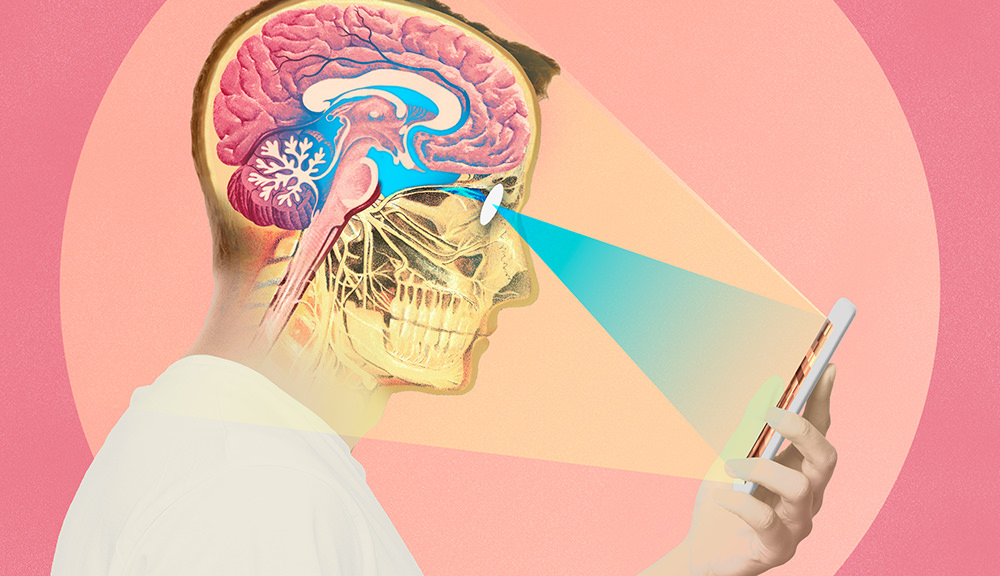
On the surface, physical substances like tobacco and digital habits like viewing pornography don’t seem to have much in common. One is a physical product kept behind a counter; the other is a digital stream available instantly anywhere with an internet connection.
However, when you look beneath the surface at the neurobiology of human behavior, the similarities are striking.
1. The Brain's Reward Center and Dopamine
Deep inside the human brain lies the reward center. Its primary job is to release a pleasure chemical called dopamine in response to healthy, positive behaviors—like eating a great meal or exercising.
Dopamine acts as a signaling mechanism that tells the brain: “This is a good thing! Remember this and do it again.” While this system is essential for survival, it can be hijacked:
- The Feedback Loop: Intensely stimulating digital content triggers a massive flood of dopamine.
- Rewiring: The brain naturally rewires its pathways to favor whatever triggered that intense pleasure.
- Increased Cravings: Because digital content is endlessly available, repeated consumption continuously spikes cravings, pushing individuals to seek out more frequent or intense stimulation to get the same response.
2. Hypofrontality: Losing the Brakes
While the reward center drives our wants, a different part of the brain is responsible for putting on the brakes: the prefrontal cortex. This area handles uniquely human advantages like:
- Weighing long-term consequences
- Practicing impulse control
- Delaying instant gratification
When a habit becomes deeply ingrained, it can lead to a state known as hypofrontality ("hypo" meaning less than normal, and "frontal" referring to the prefrontal cortex).
What is Hypofrontality?
It is the decreased control of the prefrontal cortex over the brain's baseline impulses. Essentially, as the desire for the habit increases, the brain's built-in braking system becomes less effective, making impulse control significantly harder.
3. The Power of Neuroplasticity and Recovery
The same mechanism that allows the brain to form an intense habit also allows it to heal. Thanks to neuroplasticity, the human brain is highly adaptable and capable of rewiring itself back toward healthy patterns.
Key Strategies for Rewiring the Brain:
- Patience and Practice: Think of self-control like a muscle. The more days you consciously practice stepping away from an unwanted habit, the stronger that mental muscle becomes.
- Focus on Goals, Not Guilt: Research indicates that intense shame often fuels problematic habits rather than fixing them. A constructive, goal-oriented mindset is far more effective for long-term change.
- Utilize Science-Based Tools: Platforms like Fortify offer tailored, structured tracking and educational resources to help individuals navigate recovery and regain cognitive control.
Summary Table: Driven vs. Controlled Brain States
| Brain Component | Primary Function | Impact of Intense Habits |
|---|---|---|
| Reward Center (Dopamine) | Motivates beneficial behavior through pleasure signals. | Hijacked by constant stimulation, creating strong feedback loops and cravings. |
| Prefrontal Cortex | Manages impulse control, logic, and long-term consequences. | Experiences decreased activity (hypofrontality), weakening the ability to resist impulses. |
Found this helpful?
Share it with someone who might need it.
